

E-Ink vs RLCD vs LED: A Comprehensive Screen Technology Review
E-Ink vs RLCD vs LED: A Comprehensive Screen Technology Review
In the evolving landscape of display technologies, three major screen types dominate the conversation: E-Ink, Reflective LCD (RLCD), and traditional LED/LCD screens. Each offers distinct advantages and trade-offs, making them suitable for different use cases. This review explores their differences, performance, and user experience from a neutral, third-party perspective.

Understanding the Three Technologies
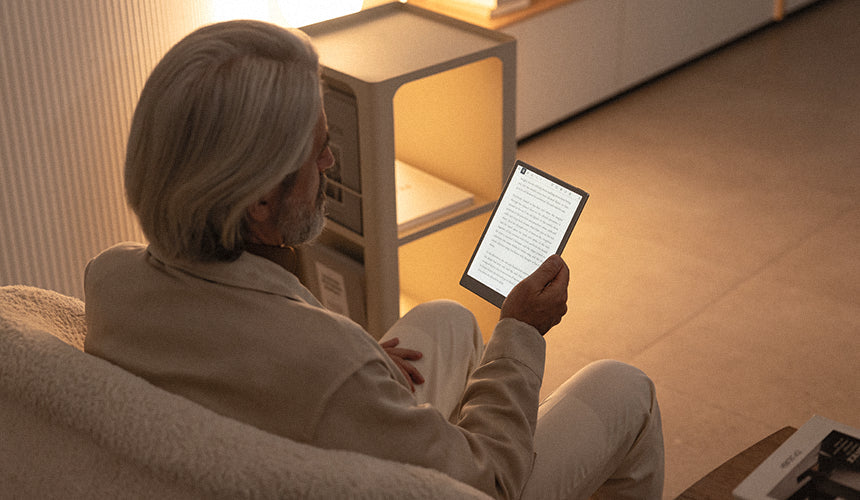
E-Ink represents electronic paper, known for its paper-like reading experience. Unlike traditional screens, E-Ink retains images without continuous power, providing unparalleled battery efficiency. Its reflective properties ensure excellent readability from nearly any angle and under various lighting conditions. The inclusion of a built-in glow light allows for comfortable reading in the dark without straining the eyes.
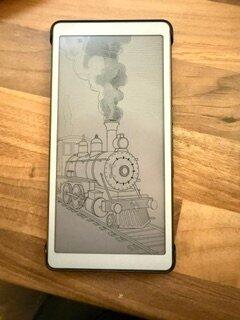
Reflective LCD (RLCD) serves as a middle ground between E-Ink and standard LCD screens. RLCDs utilize ambient light for display, reducing the need for a backlight and extending battery life. While they deliver smoother motion than E-Ink and maintain eye comfort, they suffer from narrow viewing angles, requiring careful handling to achieve optimal visibility. RLCD is increasingly adopted in devices where a balance between battery efficiency and fluid visuals is desired.
LED/LCD screens, the most ubiquitous type, power every smartphone, tablet, and laptop. They offer vibrant colors, smooth animations, and fast response times, making them ideal for multimedia consumption. However, they consume the most battery and may cause eye strain over prolonged use due to flickering and backlight exposure. Highly reflective surfaces can also be challenging in bright environments, despite matte screen protectors.
Performance Comparison
Battery Life:
-
E-Ink: Outstanding; retains images without constant power.
-
RLCD: Very good; uses ambient light efficiently.
-
LED/LCD: Limited; continuous backlight drains battery quickly.
Eye Comfort:
-
E-Ink: Excellent; minimal eye strain.
-
RLCD: Good; softer on the eyes compared to LED/LCD.
-
LED/LCD: Lowest; prolonged use may cause fatigue.
Motion Handling:
-
E-Ink: Limited; requires speed modes for video content.
-
RLCD: Moderate; smoother than E-Ink but not as fluid as LED.
-
LED/LCD: Superior; fast, smooth visuals for multimedia.
Viewing Angles & Reflectivity:
-
E-Ink: Wide, consistent under various lighting.
-
RLCD: Narrow; must adjust device for optimal viewing.
-
LED/LCD: Wide but highly reflective; visibility is impacted by ambient light.
| Feature / Screen Type | E-Ink ✅ | RLCD ⚡ | LED/LCD 🎨 | Common Points |
|---|---|---|---|---|
| Display Principle | Electronic ink, reflective light display | Reflective/transflective LCD using ambient light | Backlit LCD/LED display | All are digital screens using electronic signals to display content |
| Battery Life | Excellent; static images consume almost no power | Good; ambient light reduces backlight usage | Low; continuous backlight drains battery quickly | All require power to refresh dynamic content |
| Eye Comfort | Best; minimal eye strain | Good; less strain than LED/LCD | Lowest; prolonged use may cause fatigue | All can display readable content for users |
| Color Performance | Monochrome / grayscale | Basic colors; not as vibrant as LED | Rich and vibrant colors | All display text and images |
| Refresh Rate / Motion | Low; limited video playback | Medium; smoother motion than E-Ink | High; fluid video and animations | All can display dynamic content to some extent |
| Viewing Angle | Wide; minimal change under angle variations | Narrow; optimal angle needed | Wide; glare can reduce visibility | Device angle affects visual experience for all |
| Readability in Bright Light | Excellent; sunlight-readable | Good; ambient light enhances display | Poor; glare reduces readability | All are influenced by screen coating/material |
| Typical Use Cases | E-readers, note-taking devices, electronic tags | Energy-efficient tablets, hybrid reading/entertainment devices | Smartphones, tablets, TVs, computers | All display text, images, and multimedia |
| Example Brands / Devices | Kindle, Kobo, Remarkable, Viwoods | Daylight, EaseEye, Hanspree | TCL, Samsung, Android tablets & phones | All are consumer electronic devices |
Use Case Recommendations
-
E-Ink: Ideal for e-readers, note-taking devices, and prolonged reading sessions. Devices such as Kindle, Kobo, Remarkable, and Viwoods benefit from this technology.
-
RLCD: Best suited for hybrid devices that require both readable text and basic multimedia functions while conserving battery. Devices from brands like Daylight and EaseEye exemplify RLCD adoption.
-
LED/LCD: Optimal for high-performance tablets, smartphones, and laptops where multimedia experience is paramount. Popular brands include TCL, Hanspree, and mainstream Android devices.
Final Verdict
Each technology serves a unique purpose. E-Ink excels in readability and battery efficiency, making it the preferred choice for dedicated readers. RLCD bridges the gap, offering an energy-efficient alternative with smoother visuals. LED/LCD remains unmatched for color accuracy and speed, ideal for video and interactive applications. Users must evaluate their priorities—eye comfort, battery life, or multimedia performance—before choosing a device.
FAQ
Q1: Can E-Ink handle video content?
A1: Yes, but video playback is limited. Speed modes improve fluidity, though refresh rates remain lower than traditional screens.
Q2: Is RLCD better than LED for battery life?
A2: Generally, yes. RLCD uses ambient light, reducing power consumption compared to constant backlit LED screens.
Q3: Which screen type is easiest on the eyes?
A3: E-Ink provides the most comfortable viewing experience, followed by RLCD. LED screens may cause eye strain with prolonged use.
Q4: Are reflective screens visible outdoors?
A4: E-Ink and RLCD perform well under bright light. LED screens can struggle due to glare and reflections.

,%20a...)
Leave a comment
This site is protected by hCaptcha and the hCaptcha Privacy Policy and Terms of Service apply.