
Article: Note Taking Tablet for Workshops: Record Decisions Without Writing a Transcript

Note Taking Tablet for Workshops: Record Decisions Without Writing a Transcript
A note taking tablet for workshops should help the facilitator capture what the group actually decided, rather than reproduce every sentence spoken. The difference becomes important when a discussion produces several proposals, competing opinions and actions that nobody has formally accepted.
A useful record shows what was agreed, why it mattered, who accepted the next step and what remains unresolved. That gives participants something they can verify afterwards without working through a transcript.
The best workshop notes preserve outcomes, not every comment
A lively workshop rarely follows a neat sequence. Someone introduces an idea, another participant challenges its practicality, and a third suggests a compromise. By the time the facilitator moves to the next topic, several useful points may have emerged, but not all of them represent an agreed outcome.
Workshop decision notes should preserve four distinct types of information:
- Decision: What did the group actually agree to?
- Rationale: What consideration influenced that choice?
- Responsibility: Who accepted the next action?
- Unresolved issue: What still needs discussion or confirmation?
These distinctions give the record its value. A page full of interesting observations may describe the conversation accurately while leaving participants unsure about what happens next.
Separate important outcomes from the flow of discussion
Not every contribution deserves a place in the final record. The useful test is whether a comment changes the proposed direction, explains a decision, exposes a significant concern or identifies something the group has not settled.
Imagine a workshop on improving a company's employee onboarding process. The group agrees to test a shorter welcome sequence, but has not settled whether one team or two should take part. Nobody has volunteered to prepare the revised wording, either.
A concise record could look like this:
| Record element | Example entry |
|---|---|
| Decision | Agreed: Run a limited pilot of the shorter welcome sequence. |
| Rationale | Test the revised sequence before considering a wider rollout. |
| Disagreement | Open: Should one team or two take part in the pilot? |
| Action | Prepare revised wording. Owner not yet assigned. |
| Next confirmation | Confirm the pilot scope after the draft is reviewed. |
The record leaves out repeated opinions and minor wording suggestions, but keeps the points that would matter when the team returns to the project: the agreed pilot, the unresolved scope and the unassigned task.
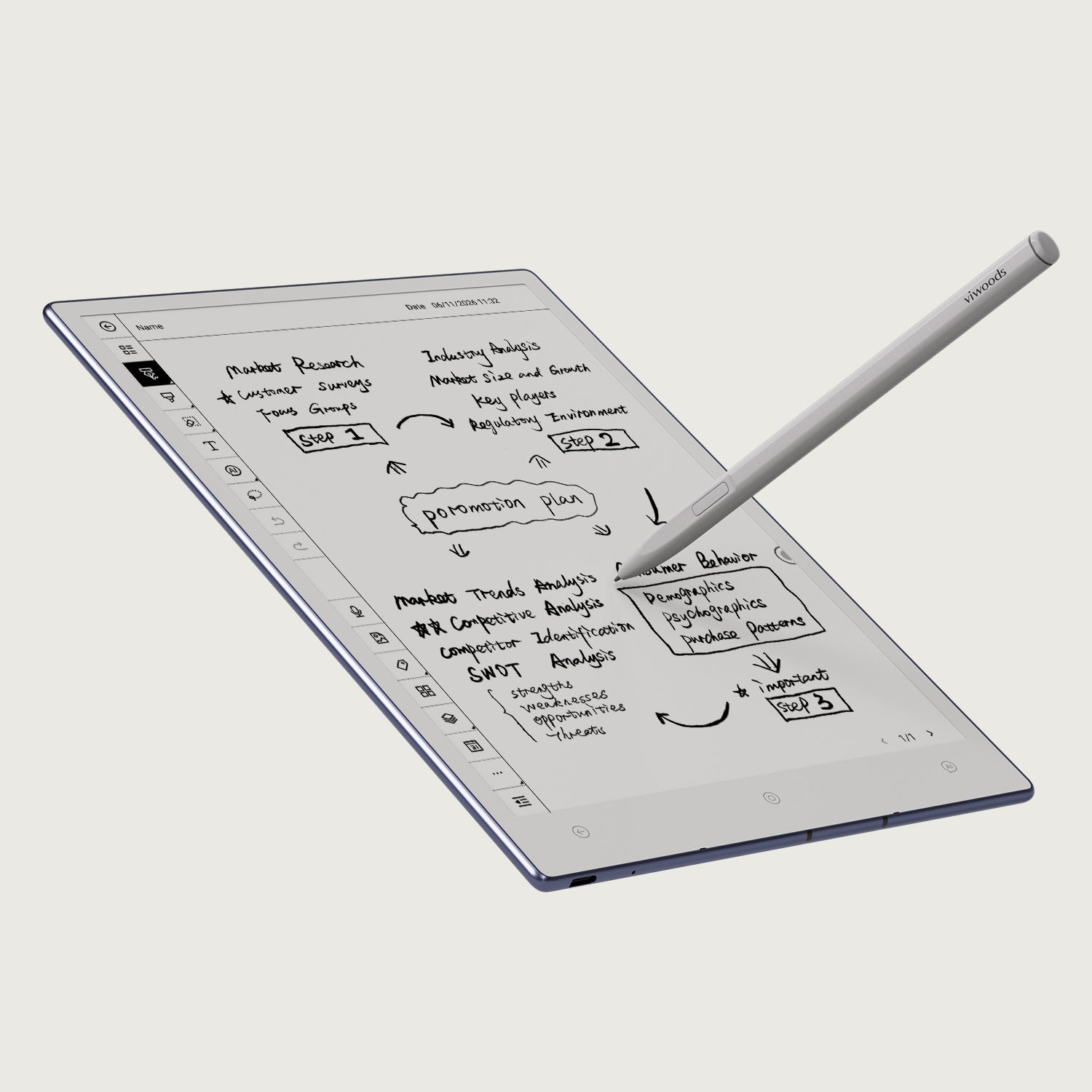
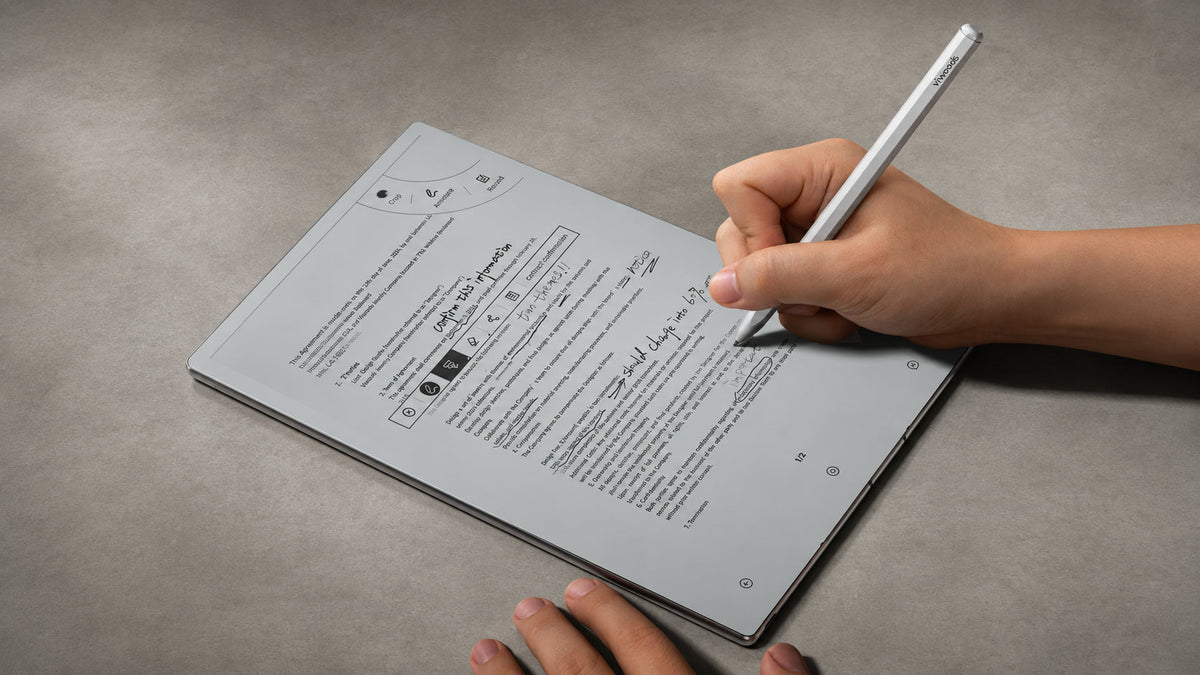
Capturing those distinctions in real time is easier when the page has room for both decisions and open questions. For facilitators who prefer handwriting, the AiPaper digital notebook offers custom templates and handwriting conversion. A recurring layout can keep key fields in the same place across agenda items, while converted handwriting can be edited as text before the notes are shared.
A proposal is not a decision until the group confirms it
One of the most consequential mistakes in workshop documentation is treating interest as agreement. Participants may like an idea, request further investigation or support a limited trial without approving the complete proposal.
Use status labels that reflect what actually happened:
- Proposed: An option has been introduced but not accepted.
- Agreed: The group has confirmed the decision.
- Provisional: Agreement depends on a stated condition or further check.
- Deferred: The group has postponed the decision.
Approving a pilot, for instance, does not mean approving a full rollout. Before moving to the next agenda item, the facilitator can read back the proposed outcome and ask the group to confirm its scope. A short exchange here can prevent a tentative agreement from looking final in the notes.
Keep disagreement visible without reproducing the debate
Disagreement is not necessarily a failed workshop. It can reveal a constraint that the group has not examined closely enough. Removing it from the notes simply to create a cleaner summary can turn partial agreement into an inaccurate account of consensus.
In the onboarding workshop, the common ground is the need for a pilot. The unresolved question is its scope: one team or two. Someone reviewing the notes can see exactly what needs to be settled without having to reconstruct the debate.
Neutral wording matters here. There is usually no reason to reproduce a heated exchange or attach a name to every opinion. Attribution is useful when it affects the decision or the accuracy of the record, not simply because someone spoke.
Responsibility starts with an accepted action
A workshop can finish with a clear decision and still fail to establish what happens next. Writing someone's name beside an action does not automatically make that person its owner.
An accepted action should identify three things:
- The specific next step or deliverable.
- The person who has agreed to take responsibility.
- A due date or review point, if the group has confirmed one.
If nobody volunteers, leave the owner unassigned. The facilitator can record a separate follow-up to find someone willing to take responsibility, but should not quietly allocate the original task to the person who raised the issue.
For example, write Prepare the revised welcome sequence — owner unassigned rather than attaching a participant's name without confirmation. This makes the gap visible instead of creating a commitment that was never made.
Give participants a record they can verify
The first version of the notes is a draft for participants to check. They may spot a decision described too broadly, a significant disagreement left out or an action assigned to someone who never accepted it. Asking them to confirm those details is more useful than polishing the wording of every comment.
If someone introduces a new proposal during the review, distinguish it from the original workshop outcome. A later suggestion should not quietly become part of the historical record.

For a wider approach to organising and revisiting notes across different working situations, explore how to build a reusable note-taking workflow. The underlying principle is the same: make important information easy to find without retaining unnecessary detail.
Choose a page structure that leaves room for uncertainty
A highly structured template is useful when the workshop follows a defined agenda and each topic needs the same decision fields. It makes it easier to locate outcomes and compare what has been agreed across different discussion points.
Exploratory workshops need more flexibility. Ideas may develop in unexpected directions, and a rigid layout can make it difficult to capture a new concern or competing proposal. Leave room for additional observations rather than forcing every contribution into a predetermined category.
When choosing a note taking tablet for workshops, think about the moments when the discussion changes direction. Can you return to an earlier point, add a new concern and keep confirmed decisions separate from emerging ideas without disrupting the flow? The same notes should be clear enough for participants to review afterwards. These practical demands tell you more about whether a device suits your workshops than a long feature list does.
AiPaper fits this approach when you prefer to capture ideas by hand and organise them afterwards. Its templates can provide a familiar starting point, while handwriting conversion helps prepare notes for follow-up.
If that matches how you run workshops, explore AiPaper's handwriting and template tools.
Frequently asked questions
What if nobody agrees on an owner?
Mark the action as unassigned and record the need to confirm responsibility. Do not attach a participant's name until they have accepted the task.
How should a disputed decision be recorded?
Separate the agreed elements from the disputed point. Summarise the different positions neutrally and state what evidence, discussion or confirmation is still needed.
Do discussion notes need to include every comment?
No. Preserve comments that affect the decision, explain its rationale, identify a material concern or reveal an unresolved issue. The purpose is to document outcomes, not reproduce the conversation.

Leave a comment
This site is protected by hCaptcha and the hCaptcha Privacy Policy and Terms of Service apply.