

Paper Tablet Size Guide: When a Larger Writing Area Is Worth Carrying
A larger paper tablet is worth carrying when it gives you room to write normally and keep connected ideas on the same page. If most notes are short and the device moves between bags, meeting rooms and trains, a smaller format may be easier to live with. The decision comes down to three things: the space your handwriting needs, how often a page break interrupts your work, and how frequently you carry the device.
A screen diagonal doesn't show the whole writing page
Screen size is easy to compare, but a diagonal measurement doesn't tell you how much of a page feels usable. Titles, margins, diagrams and any on-screen controls can change the space available for handwriting. The shape of the page matters, too: a narrow layout may be fine for lists but less comfortable for notes with arrows and comments alongside them.
Look beyond the outer dimensions and picture a familiar page from work. Could the main points and the notes beside them remain visible together? If not, a larger writing area may be more useful than the specification alone suggests. If your pages tend to contain only a short list, the additional space may offer little practical benefit.
Try the page with your normal handwriting
The easiest way to judge writing space is to start with a page you've already filled, rather than an idealised sample. Notice your usual letter size, line spacing and the space you leave for corrections. Someone who writes generously or sketches alongside their notes will use a page differently from someone who makes compact bullet lists.
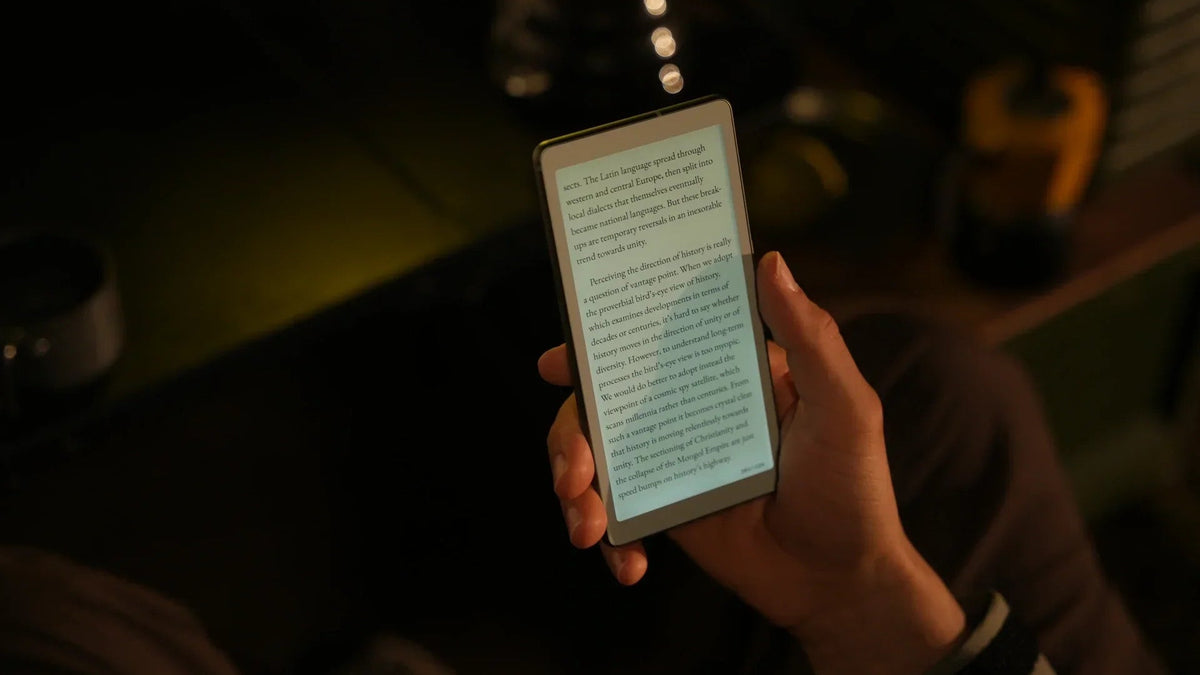
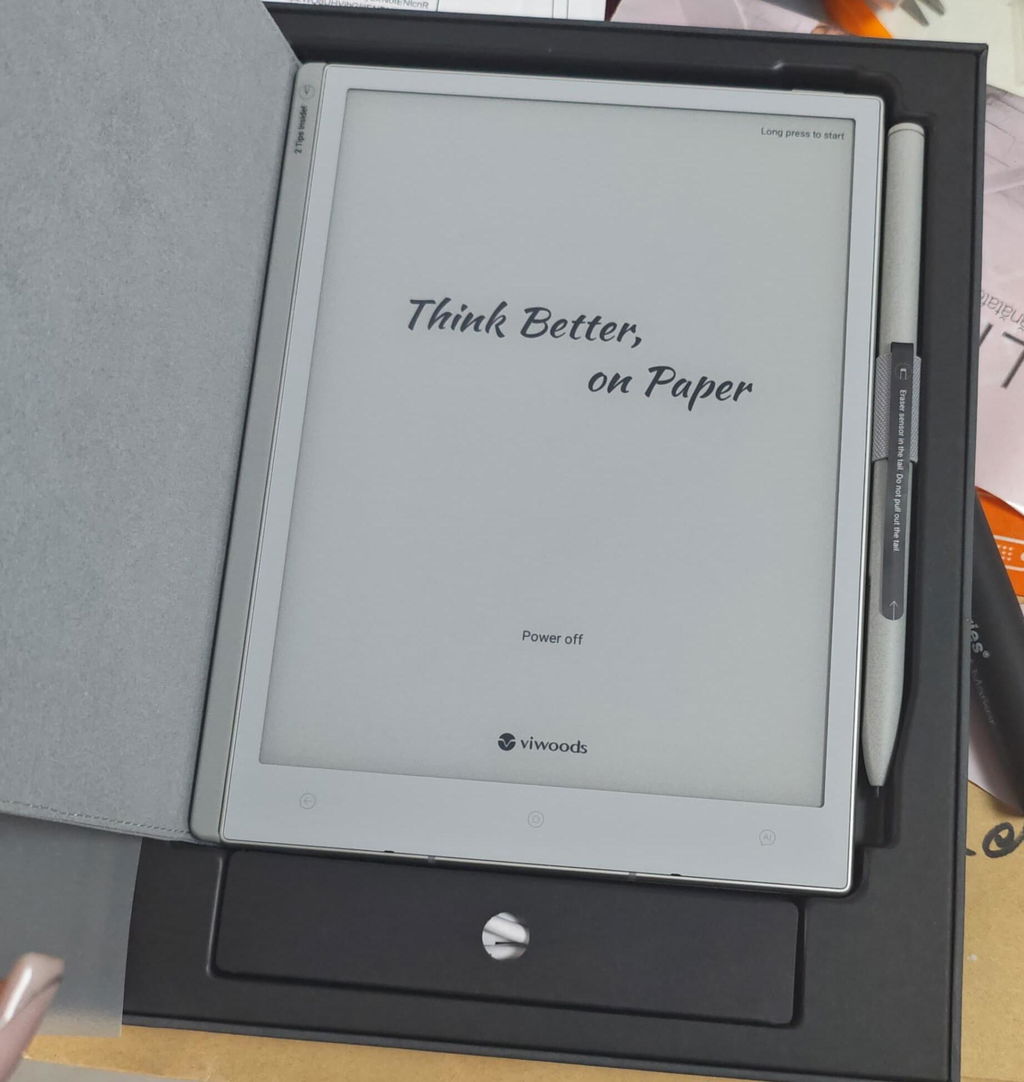
For a concrete reference, Viwoods AiPaper has a 10.65-inch display, measures 247 × 178 × 4.5 mm and weighs 370 g. AiPaper Mini has an 8.2-inch display, measures 191 × 138 × 5.2 mm and weighs 230 g. These figures describe the devices, not the exact usable writing area; page margins, interface controls and the layout you use still determine how much room remains for notes. You can check the current figures in Viwoods' official paper tablet specification comparison.
To make the comparison more practical, recreate one recent note at its normal size on paper. Keep the heading, margin comments and diagrams, then compare the result with the actual writing area in a hands-on demo or published screen measurements. Do not use the device's outer dimensions as a substitute for its screen area. If the smaller display forces you to reduce your handwriting, split related points or leave out annotations, the larger format may be worth the extra space. If everything fits comfortably, a compact device may be sufficient.
This is a useful point to browse paper tablets for handwritten work. Compare the available formats against the page you actually produce, rather than choosing solely from photographs of the devices.
Some page turns break the flow; others don't
Turning to a new page isn't automatically a drawback. A clean break between meeting topics can make notes easier to follow. The problem appears when the second page depends on something you still need to see on the first: a sketch, a question under discussion or an unfinished chain of reasoning.
Think of a planning conversation in which the decision sits below several competing ideas. If those ideas need to remain in view while you write, more uninterrupted space can be worth carrying. If each note stands alone, extra page area won't necessarily change the experience. A larger page also won't prevent every page turn; it simply gives connected material more room before one is needed.
A larger page earns its place on desk-heavy days
Portability isn't only about how light an object feels when picked up. It's also about what you gain from using it for most of the working day. A larger writing screen may be the reasonable compromise for someone who spends hours at a desk developing plans, reviewing long notes or connecting ideas across a page.
The calculation changes when the device is taken out for a minute at a time. During a day of short conversations and brief reminders, the freedom to carry a compact format may matter more than the space left unused. Count the occasions when a bigger page would genuinely help, not simply the number of days you leave home.
A device can fit the bag but not the table
Before deciding that a paper tablet is portable enough, consider the places where it will be used. A device may fit neatly alongside a laptop yet feel inconvenient on a train tray table or a crowded café desk. Pulling it out repeatedly can be a bigger nuisance than carrying it between locations.
Picture a normal journey, including the bag, the available surface and whether you generally write seated or standing. For an occasional trip, a larger workspace may still be acceptable. For frequent short stops, a format that comes out of the bag easily has an advantage even if it offers less room for long notes.

When a larger writing area actually saves time
A larger page is most useful when it reduces interruptions during work. If you regularly move between a handwritten note, a diagram and a set of reference points, keeping them visible together can make a session easier to follow. On a smaller screen, you may need to zoom out, reposition the page or split related material across separate pages.
That extra navigation is not necessarily a problem for short notes. It becomes more noticeable when you repeatedly return to earlier details or compare several parts of the same page. The benefit of a larger format is not simply having more room to write; it is being able to keep related information in view with fewer interruptions.
Once you know which issue matters more, you can compare AiPaper and AiPaper Mini in more detail.

Choose for an ordinary week, not an exceptional day
A larger writing area makes sense when full pages, connected notes and desk work are normal rather than occasional. A compact format is easier to justify when quick capture and frequent carrying dominate. Neither choice removes every compromise, so give the most weight to the routine you repeat.
With that in mind, compare the available writing formats and shortlist the one that fits your normal handwriting, workspace and bag. If the decision is still close, revisit a real page of notes before making it.
Frequently asked questions
Is screen diagonal enough to judge writing space?
No. Diagonal size doesn't account for the page layout, margins or controls that affect usable writing area. Assess how your usual notes would fit on a working page.
Should I test with my normal handwriting size?
Yes. Keep your usual letter size, spacing and diagrams. Writing unusually small can make a cramped page appear more comfortable than it will be in everyday use.
What if I mostly work at a desk but travel weekly?
Give more weight to your regular desk work, especially if it involves long notes, then check whether the larger device is practical for your weekly journey. If travel involves frequent short writing sessions, portability deserves more weight.


Hinterlasse einen Kommentar
Diese Website ist durch hCaptcha geschützt und es gelten die allgemeinen Geschäftsbedingungen und Datenschutzbestimmungen von hCaptcha.