

Digital Notebook for Project Handoffs: Turn Working Notes Into a Clear Next Step
A handoff needs context, not the full note archive
When a project changes hands, the next person may inherit weeks of meeting notes, research and document revisions without knowing where to begin. A digital notebook can keep that working history organised, but a useful handoff needs something more: a clear picture of where the project stands, why important decisions were made and what needs attention next.
A useful handoff brief answers three questions: What is settled? What remains unresolved? What needs to happen next, and who must confirm it?
The challenge is deciding which details matter. A meeting note explaining why a supplier was shortlisted may be important. An early idea that was later rejected probably belongs in the supporting records. The receiving person should be able to understand the current position without reading every page of the project history.

Make the current position clear before sharing the history
Start with the work as it stands now. Identify the deliverable being transferred, what has been completed and what is still in progress. Include dates or document versions when they affect which information the next person should rely on.
Consider a hypothetical consultancy project comparing suppliers. The working notes may cover several meetings, changing requirements and different recommendations. For the person taking over, the most useful starting point might simply be: “Two suppliers shortlisted; delivery dates not yet confirmed.”
That sentence immediately separates completed work from an outstanding issue. It is more useful than a chronological account of every supplier discussion.
The next question is whether the information is still current. An earlier note might mention three suppliers under consideration, while a later review confirms that one has been removed. Both records belong to the project history, but the handoff should reflect the latest agreed position.
Point to the relevant source document and explain what it confirms. If a newer revision replaces an earlier assessment, identify the current version. Otherwise, the next person may spend time reviewing outdated information or unknowingly continue from an earlier decision.
Keep the reasoning that makes a decision understandable
Knowing what was decided is useful. Understanding why it was decided is what allows someone else to carry the work forward.
In the supplier example, “Option B was preferred because it met the current scope within the review window” gives the incoming colleague a reason they can evaluate. If the deadline changes, they know which assumption may need another look.
Without that context, the next person may treat the preferred supplier as the obvious choice, even though the original recommendation depended on a particular schedule or requirement.
A good handoff does not need to reproduce every discussion. It should retain the alternatives that were seriously considered, the factor that influenced the decision and any condition that could change the outcome.
Wording matters here. “Supplier B approved” suggests a final decision. “Supplier B preferred, pending delivery confirmation” makes it clear that the recommendation is not yet complete.
That distinction helps the receiving person continue the work without repeating the entire assessment or mistaking an earlier recommendation for an approval.
Separate open questions from completed work
Project notes often contain a mixture of confirmed facts, working assumptions and unanswered questions. When these are copied into a handoff without explanation, it becomes difficult to tell what can be relied on.
In the hypothetical supplier assessment, the shortlist may be complete while the delivery commitment remains unverified. The outstanding question is straightforward: “Can supplier B meet the required delivery window?”
The important detail is what happens next. If the supplier confirms the date, the project lead can proceed with the recommendation once the other required checks are complete. If the supplier cannot meet the schedule, the team may need to reconsider the preferred option.
This is more helpful than recording “Delivery pending” without further context. The incoming colleague can see both the missing information and the decision it affects.
Not every unresolved issue deserves equal attention. A minor formatting question may have little effect on progress, while a missing technical approval, cost confirmation or delivery commitment could prevent the project from moving forward.
Where information is provisional, identify it as an estimate or assumption. Make clear who can confirm it and what depends on the answer. That gives the next person a practical way to deal with uncertainty rather than leaving them to interpret scattered comments.
Turn the next action into something a person can own
“Follow up” may be a useful reminder to the person who wrote it, but it rarely tells a new colleague enough to act. A handoff should identify what needs to happen, what result is expected and who is responsible for moving it forward.
For example, “Ask finance about cost” does not explain whether the task involves checking a quotation, approving a budget or confirming revised figures. The wording becomes more useful when the expected outcome is clear.
Here is how three rough notes from the same hypothetical supplier review could read in a handoff brief.
| Working note | Handoff-ready wording |
|---|---|
| Supplier B looks best. | Supplier B is preferred, pending written delivery confirmation. |
| Ask finance about cost. | The project lead must confirm costs with finance before issuing the recommendation. |
| Waiting for approval. | Approval remains outstanding; release is waiting for the designated approver. |
Each revised note gives the next person something more useful: a decision status, a specific confirmation or the responsibility that needs attention.
These details can be combined into a short handoff summary:
The supplier shortlist is complete. Supplier B is currently preferred because it meets the agreed scope, but its delivery commitment has not been confirmed. The project lead needs written delivery confirmation and a cost review from finance before issuing the final recommendation. Approval remains outstanding.
This summary is brief, but it preserves the information needed to continue the work. The receiving colleague knows what has been completed, why one option is preferred and which confirmations are still required.
If the next owner has not been appointed, mark ownership as pending and identify who must assign it. An unassigned action should not appear to be someone else's accepted responsibility. Likewise, include a deadline only when one has actually been agreed.
For a broader approach to organising notes across recurring work, see how to build a reusable note-taking workflow. Consistent records make it easier to recover decisions and outstanding questions when a project changes hands.
Check that the receiving person can act on the brief
Sending the handoff document is not the same as completing the handoff. What matters is whether the receiving person understands the project well enough to take the next meaningful action.
One way to check is to ask the incoming colleague what they believe needs to happen next. In the supplier example, they might respond: “I'll request written delivery confirmation from supplier B, then update the recommendation once finance has confirmed the costs.”
That answer shows they understand both the immediate task and the information required before the final recommendation can proceed.
Compare that with “I'll contact the supplier.” It sounds reasonable, but it does not establish whether the person knows what to ask or how the answer affects the project.
The receiving colleague should also be able to locate the latest supporting documents. If the handoff references an assessment, technical drawing or approval record, check that the file can be found and the correct version is identified. For restricted material, use the team's existing access and sharing arrangements.
The handoff is ready when the next person understands the current position, the decision that remains open and their responsibility in moving the work forward. They should not need the previous owner to interpret every note before they can begin.
Keep the source record readable in the right workspace
The handoff brief and the original working notes serve different purposes. The brief tells someone where the project stands and what happens next. The original notes explain how the work reached that point.
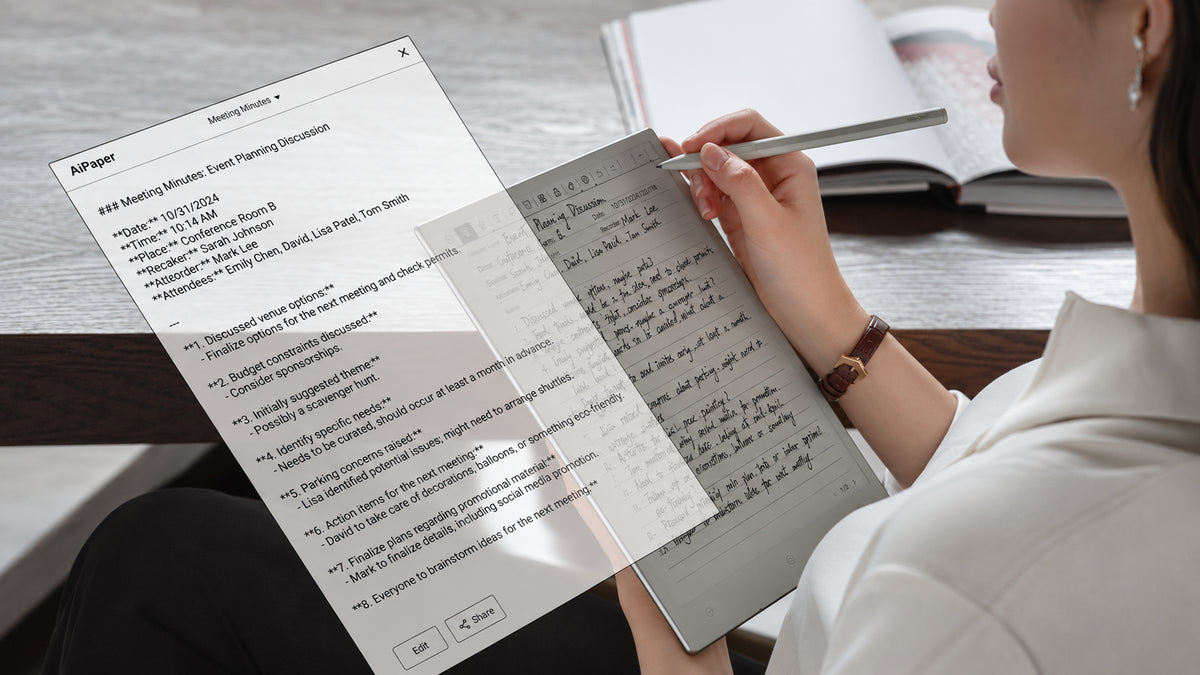
A digital notebook becomes particularly helpful when the background information is spread across handwritten meeting notes, document annotations and earlier planning sessions. Rather than preparing the handoff from memory, the project lead can revisit the relevant records and check the details before writing the summary.
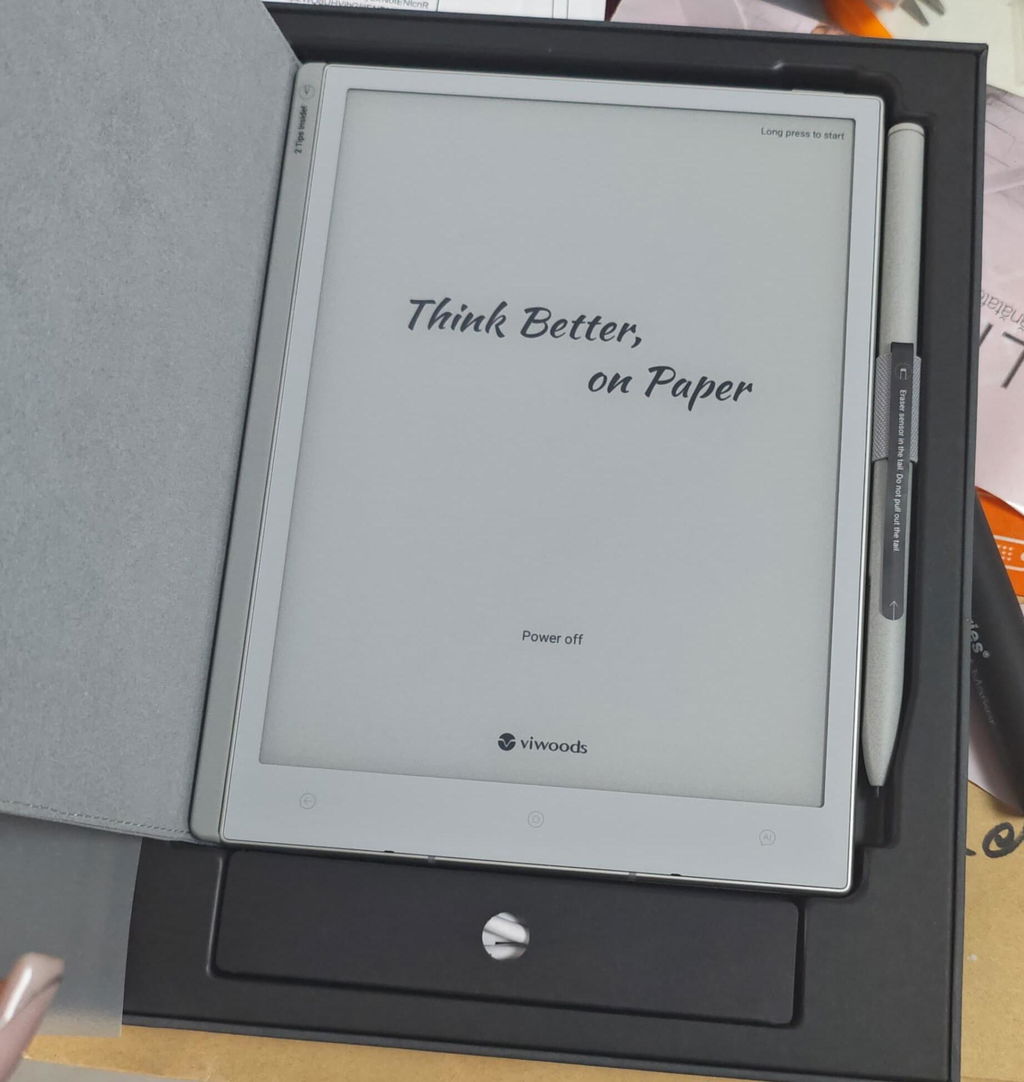
Viwoods AiPaper supports handwritten note-taking, document review, highlighting, tags and custom templates. These features make it possible to keep working notes organised and return to important information when a project needs to be handed over.
In the supplier example, a project lead could review handwritten meeting notes to identify when supplier B became the preferred option, check the relevant document annotations and collect the outstanding questions in one place. The final handoff would contain the agreed position and next actions, while the supporting records remain available for further review.

Custom templates are also useful when similar projects change hands regularly. Keeping familiar headings for project status, decisions, open questions and next actions makes information easier to find without requiring every handoff to follow a lengthy format.
AiPaper also supports handwriting conversion and file transfer through cloud services, wireless sharing and cable connections. These options can help move prepared material into the team's existing workflow rather than keeping the final handoff isolated on one device.
Once the brief is ready, place it in the shared project location the team already uses. Include references to the source notes and documents behind important decisions so the incoming colleague can investigate further when needed.
The aim is not to move every project record into a new system. It is to make the existing information easier to review, preserve the reasoning behind important choices and leave the next person with a clear starting point.
Questions that arise during a project handoff
How much background does a handoff need?
Include enough context to explain the current state, important decisions and constraints affecting the next step. A useful test is whether a piece of information would change what the receiving person does or how they interpret the project. Keep older details in the supporting record unless they explain a decision that may need to be revisited.
What if the next owner is not confirmed?
Mark ownership as pending and identify the person or role responsible for appointing an owner. State which action cannot proceed until responsibility is accepted. This prevents an important task from appearing assigned when nobody has agreed to take it forward.
Should raw working notes accompany the short handoff?
Keep relevant source notes accessible when permissions allow, especially when they contain evidence, technical details or decision context. The handoff brief should still make sense on its own. References to specific files, revisions or note sections help the recipient investigate an issue without having to read the entire archive.
If handwritten notes, document reviews and recurring project handoffs are part of your regular work, explore the Viwoods AiPaper digital notebook to see how its note organisation, custom templates and document review features can support your workflow.


Hinterlasse einen Kommentar
Diese Website ist durch hCaptcha geschützt und es gelten die allgemeinen Geschäftsbedingungen und Datenschutzbestimmungen von hCaptcha.