

E Ink Tablet for Weekly Planning: A Simple Review Rhythm for Notes and Tasks
Review first, plan second
Friday arrives, and the week's notes tell several different stories. There are ideas worth keeping, tasks that were never finished and reminders whose deadlines have quietly moved closer. A weekly review on an E Ink tablet works best when it sorts those loose ends before anything new is added to next week's plan.
The rhythm is straightforward: revisit the pages, separate genuine commitments from useful information, then decide what to carry forward, schedule or leave behind. The goal isn't a perfectly organised notebook. It's a clear view of what still needs attention when work resumes.
Bring the week's loose notes into view
A task list rarely captures everything from Monday to Friday. An idea may be tucked beneath a project sketch, while a promised follow-up sits in the corner of a daily page. Even careful planners leave behind notes that are easy to miss later.
A regular review gives those fragments a second look. It might happen at the end of Friday or before the working week begins. What matters is revisiting the same sources each time: daily pages, active project notes and the calendar that holds actual appointments.
There's no need to rewrite whole pages. Only notes that raise a question or require an action need to move onto the review page. The originals stay in place, where their wider project context will still make sense next month.
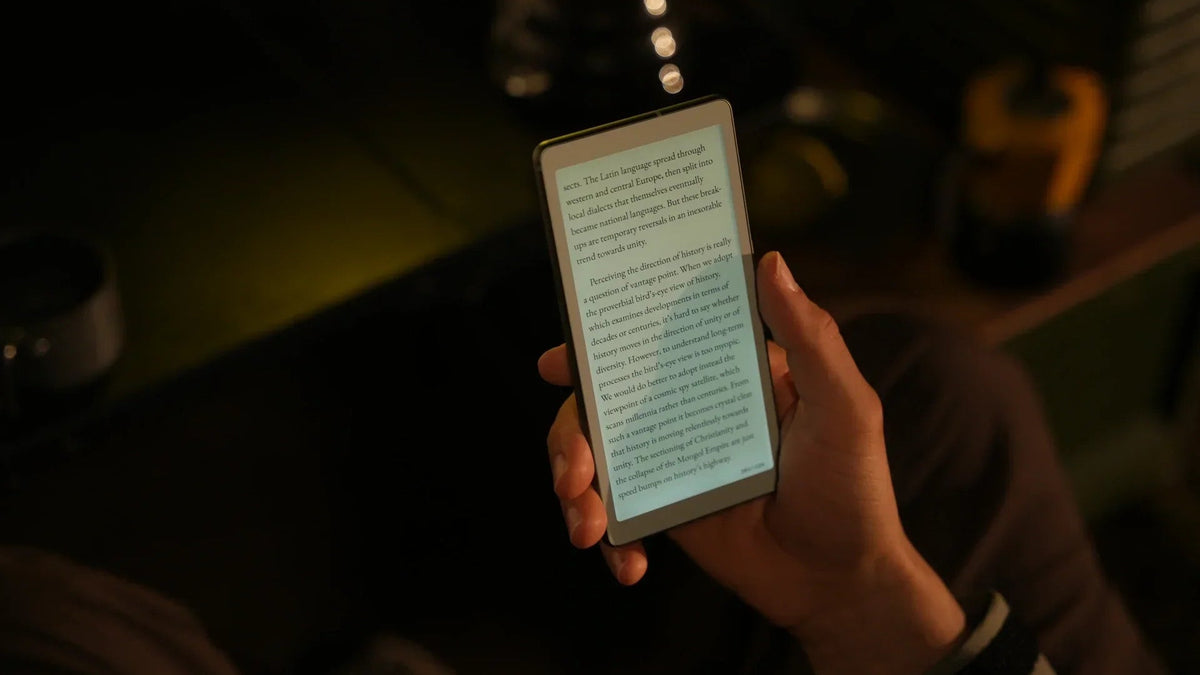
For someone who prefers handwritten planning, paper-like tablets for writing and reading offer a way to keep writing and reviewing in the same kind of workspace. The device supplies the page; the useful part is deciding what belongs on it.

Not every handwritten note is an unfinished task
Consider the difference between “interesting pricing approach” and “send revised pricing to Alex”. The first may deserve a place in the project's reference notes. The second carries an obligation, and it will remain unresolved until somebody acts. Treating both as tasks only makes the next weekly list harder to trust.
The same distinction applies to vague reminders. “Website update” gives very little guidance on a Monday morning; “compare the two homepage drafts” points to a clear next action. Notes waiting on another person need their own place, too. They matter, but they shouldn't sit among things that can be completed independently.
A good review page therefore contains less information than the original notes. It records decisions about the notes, while the fuller context stays where it can be found again.
What deserves another week on the list?
Carry-over is where a weekly review earns its place. Moving every unfinished item into a fresh week can feel organised, yet it often hides the reason the work wasn't done. Sometimes the next step was too vague. Sometimes there was never room in the calendar. And sometimes a task simply stopped being relevant.
Important work with a clear next step can carry forward. A deadline or fixed commitment belongs in the calendar, not only in a handwritten list. An idea without urgency can return to its project notes; a task that no longer matters can disappear. None of those choices requires a complicated system, but each requires a conscious decision.
Repeated carry-over deserves particular attention. If “update portfolio” appears for the fourth week, copying it once more is unlikely to help. A smaller action, a genuine time slot or an honest decision to defer it would tell the next week's planner far more.
A Friday review in practice
Hypothetical example: A freelance designer finishes the week with a handful of scattered notes: a proposal that needs a new opening, a reply still owed by a collaborator, a train journey booked for Thursday, an article worth saving and a portfolio update left over from last week. Taken together, they make an untidy plan.
During the review, Thursday's travel is checked against the calendar. The collaborator's reply becomes a follow-up for Tuesday rather than an action the designer can complete today. The saved article remains reference material. The proposal gets one useful next step: “draft the opening paragraph on Monday”. The portfolio update is moved out of the active week and left for a later review, rather than copied forward without a realistic time slot.
The resulting weekly page is smaller, but it carries more meaning. It shows what can move, what is waiting and what doesn't need to compete for attention. A weekly review isn't a contest to fit more tasks onto a page.
For a broader system of keeping project notes easy to find and reuse, see how to build a reusable note-taking workflow. This weekly routine has a narrower job: making decisions about the days immediately ahead.
Does your review need more writing space?
Some weekly reviews involve only a few lines. Others mean revisiting long handwritten pages, comparing several projects and leaving room to think through unfinished work. The difference matters more when choosing a writing device than an abstract preference for a bigger screen.
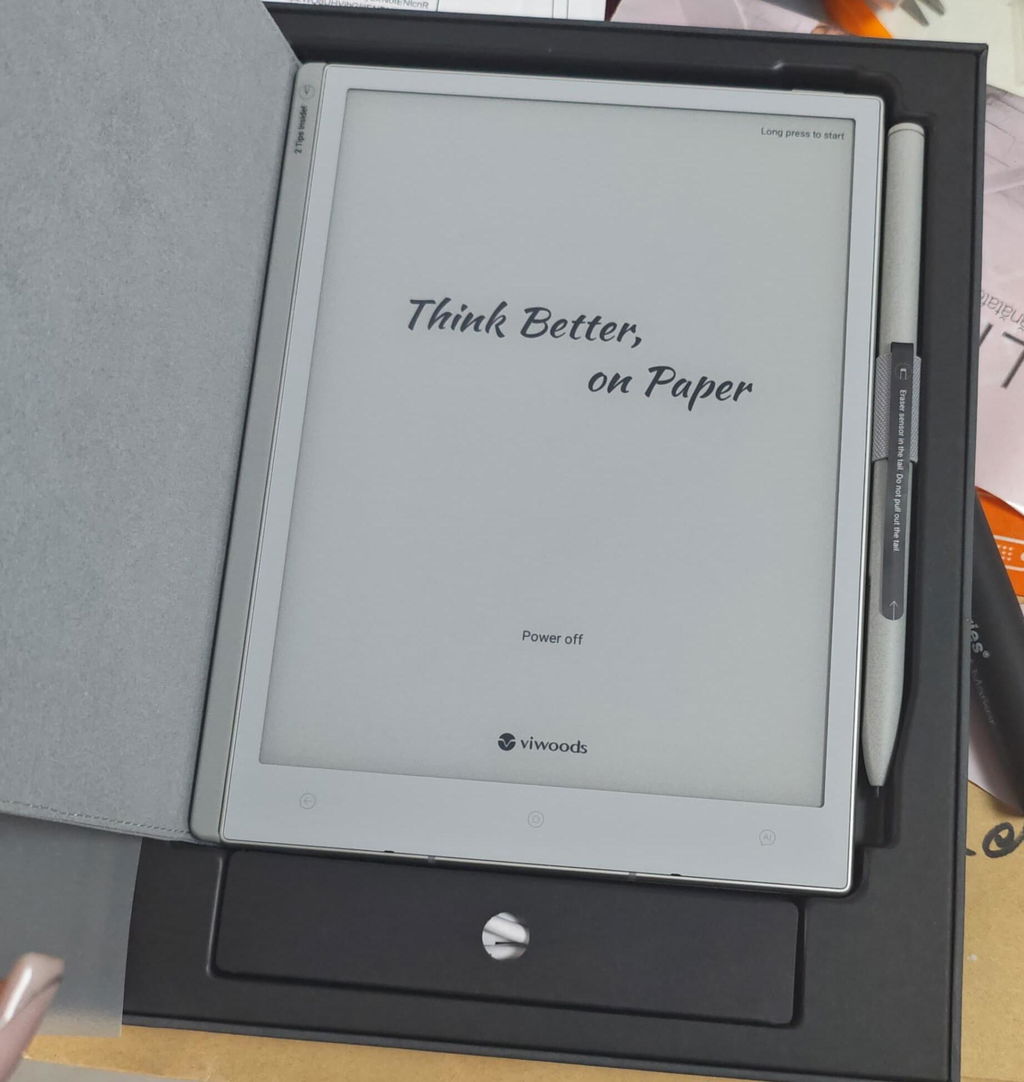
People who regularly review longer notes may want to look at Viwoods AiPaper, which the official site positions for extended handwriting and planning. Someone who mainly catches short reminders while moving between places may prefer to assess portability before committing to a larger writing area.

Neither choice makes unfinished tasks organise themselves. In particular, don't assume that a handwritten carry-over list will automatically sync with a calendar or task manager. The most reliable test is to try this review rhythm with the setup already available and notice what actually feels awkward: finding old notes, writing enough on one page or remembering to return next week.
Leave Monday with one clear place to start
At the end of a useful review, the next week doesn't need to be planned down to the hour. It needs a starting point. An action such as “open the proposal and rewrite the introduction” is much easier to return to than “make progress on client work”.
That first line is also a small test of the whole routine. If it makes sense without reopening five old pages, the review has done its job. An E Ink tablet can be a comfortable place to keep that handwritten overview, but the value comes from returning to it, not from creating a more elaborate collection of notes.
If this rhythm suits your work and you want a dedicated space for longer handwritten reviews, choose a device for your routine. Start with the amount you write and how often you carry it, rather than a feature list.
Frequently asked questions
How do I handle tasks that keep rolling over?
Look for the reason they remain unfinished. Make the next action smaller, give it a realistic time slot or move it out of the active week if it no longer deserves attention.
Should reference notes stay on the weekly page?
Usually not. Keep the original material with its project or source, and add a short pointer on the weekly page only when it helps complete an active task.
What if I miss a weekly review?
Resume from the current notes and upcoming calendar commitments. The purpose is to regain a clear picture of open work, not reconstruct every missed day.


Hinterlasse einen Kommentar
Diese Website ist durch hCaptcha geschützt und es gelten die allgemeinen Geschäftsbedingungen und Datenschutzbestimmungen von hCaptcha.